
Table of Contents
The smartphone landscape has shifted dramatically, and at the epicenter of this evolution is Samsung’s premier flagship. For months, tech enthusiasts and enterprise power users tracked every supply chain whisper, waiting for concrete news. The official samsung galaxy s26 ultra release date marked a definitive milestone for mobile hardware, introducing groundbreaking features like the world’s first hardware-level Privacy Display and a hyper-optimized Snapdragon 8 Elite Gen 5 processor. Whether you are considering upgrading from an older model or just want to see if the hype matches the reality, this comprehensive guide lays out everything you need to know.
Decoding the Samsung Galaxy S26 Ultra Release Date and Launch Timeline
Samsung maintained its signature early-year momentum but added strategic structural updates to its rollout schedule. The official timeline unfolded as follows:
- Official Announcement: February 25, 2026 (Unveiled globally at the Galaxy Unpacked event in San Francisco).
- Official Market Release: March 6, 2026 (When retail availability went live and initial pre-orders began shipping).
Strategic Takeaway: By positioning the market launch in early March, Samsung effectively captured post-holiday corporate budget resets while creating a massive market runway ahead of competitive autumn cycles.
Why the Timing Matters to Consumers
If you are a consumer balancing a budget or an IT manager planning a corporate fleet deployment, release timing dictates your purchasing strategy. Launching in the first quarter allows buyers to leverage aggressive carrier trade-in promotions while previous-generation devices still hold maximum resale value. Now that we are a few months past the initial debut, production has scaled perfectly, meaning shipping delays are non-existent and early software optimization patches are fully deployed.
Key Upgrades Launched on the Samsung Galaxy S26 Ultra Release Date
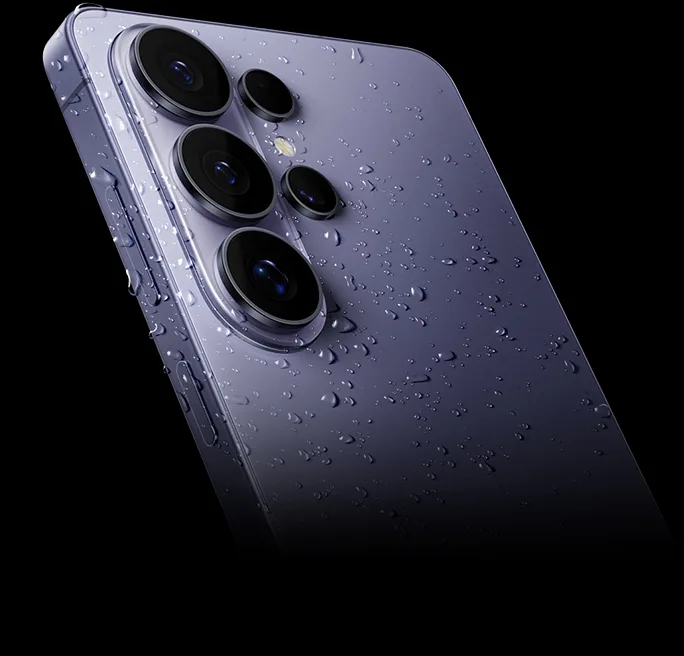
Speculation prior to the samsung galaxy s26 ultra release date focused heavily on whether Samsung would offer iterative refinements or bold innovations. The final product delivered a compelling mix of both, focusing heavily on AI-native infrastructure and premium component updates.
Hardware Features That Redefine Flagships
- Snapdragon 8 Elite Gen 5 for Galaxy: Built on an advanced ultra-efficient architecture, this processor powers continuous on-device AI tasks without causing thermal throttling. For mobile gamers and heavy multitaskers, this means sustained peak frame rates.
- 6.9-Inch QHD+ Dynamic AMOLED 2X Display: Boasting a variable 1–120Hz refresh rate, this expanded panel is exceptionally bright under direct sunlight while drawing significantly less power during passive tasks.
- Upgraded Super Fast Charging 3.0 (60W): Breaking past the long-standing 45W limitation, this upgraded power protocol allows users to juice their phone from 0% to 70% in less than 25 minutes.
The Headlining Feature: Hardware-Level Privacy Display
Why the Samsung Galaxy S26 Ultra Release Date Mattered for Mobile Security
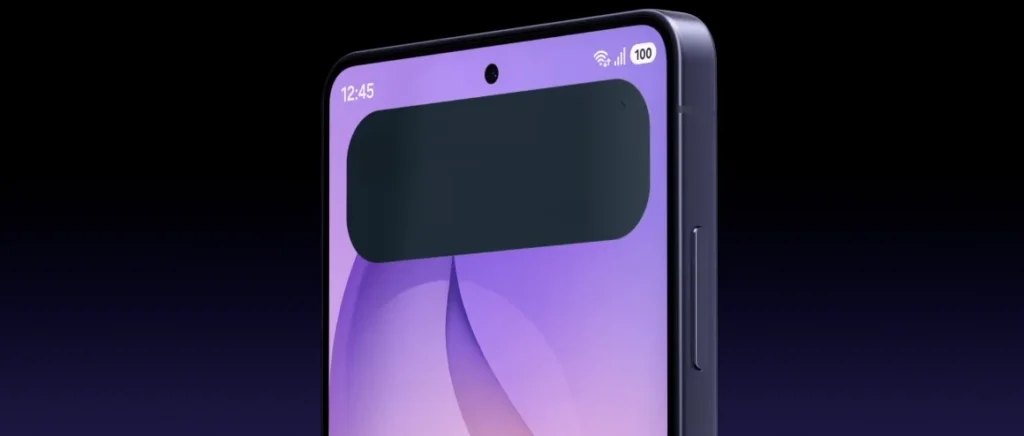
The inclusion of a built-in, togglable Privacy Display was a massive talking point during the launch event. With a single tap within One UI 8.5, the display alters its light polarization to instantly restrict viewing angles.
- Real-World Use Case: Imagine sitting on a crowded morning train or working from a busy airport lounge. Instead of using a bulky, stick-on plastic privacy screen protector that dampens touch sensitivity and ruins screen clarity, the S26 Ultra handles it natively. Anyone looking from a side angle sees a dark, unreadable screen, protecting your sensitive corporate emails or personal banking data from visual hacking.
- The Trade-Off: Following the samsung galaxy s26 ultra release date, extensive real-world field tests revealed a minor caveat: when the privacy mode is active, maximum display brightness drops slightly, and off-axis color accuracy shifts. It is perfect for professional commutes, but you will want to turn it off when editing photos or watching HDR content at home.
Read more: The Ultimate Guide to the Best AI Tools 2026
Flagship Head-to-Head Comparison
To see how this device matches up against its main premium market competitors, look at the core specifications side-by-side:
| Feature/Specification | Samsung Galaxy S26 Ultra | Samsung Galaxy S25 Ultra | Apple iPhone 17 Pro Max |
| Launch/Release Window | February / March 2026 | January 2025 | September 2025 |
| Main Processor | Snapdragon 8 Elite Gen 5 | Snapdragon 8 Elite | Apple A19 Pro |
| Display Size & Type | 6.9-inch Privacy AMOLED 2X | 6.8-inch Dynamic AMOLED | 6.9-inch LTPO OLED |
| Primary Rear Camera | 200MP Main + 50MP Periscope | 200MP Main + 50MP Telephoto | 48MP Triple Camera Setup |
| Wired Charging Speed | 60W Super Fast Charging 3.0 | 45W Fast Charging | 27W–30W Fast Charging |
| Operating System | Android 16 (One UI 8.5) | Android 15 (One UI 7.1) | iOS 19 |
Pros, Cons, and Market Situational Challenges
Every flagship smartphone involves a balance of engineering and design priorities. Here is a transparent breakdown of where this phone excels and where it might give you pause.
Pros
- Unmatched Privacy Controls: The native privacy screen is an absolute game-changer for digital nomads and security-conscious buyers.
- Agentic AI Infrastructure: Features like Now Nudge and Photo Assist run smoothly across the entire operating system rather than being siloed inside standalone applications.
- Upgraded Power Delivery: The jump to 60W wired charging reduces desk-tethered downtime significantly.
Cons
- Premium Price Premium: Launching at an MSRP of $1,299, the upfront financial investment is steep for casual users.
- Slightly Bulky Ergonomics: The massive 6.9-inch footprint, combined with a reinforced chassis, can feel unwieldy in smaller hands.
- Minor Screen Dimming: Activating the hardware privacy feature compromises overall panel brightness.
Target Demographics & Budget Reality
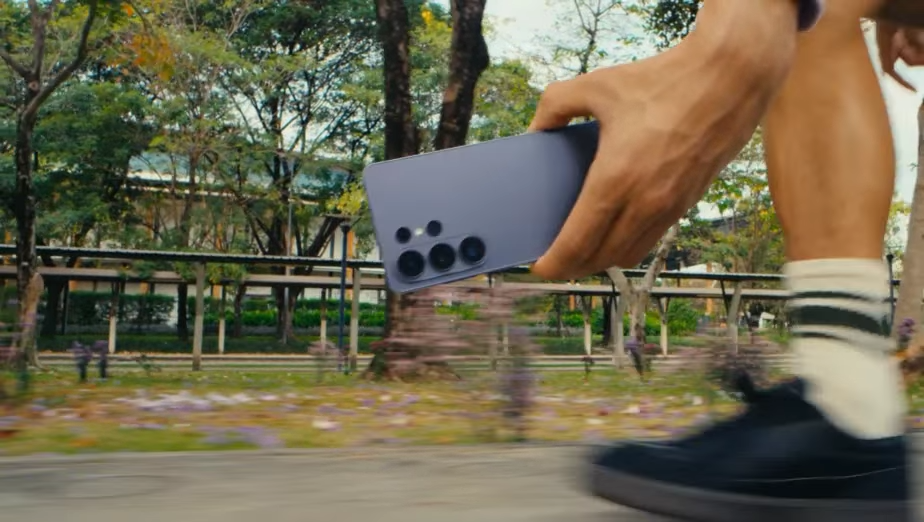
If your phone serves as your primary mobile office, the secure display and deep Microsoft/Google app integration via Galaxy AI make this device an incredibly valuable productivity tool. However, for everyday users who only browse social media and snap casual family photos, the price tag can be hard to justify.
Fortunately, because we are now mid-way through 2026, the retail environment has evolved. Seasonal promotional windows and major e-commerce events have driven prices down significantly from the initial retail launch price. For savvy tech buyers, hunting for these mid-year discounts yields massive value, offering a cutting-edge flagship experience at a fraction of its early-year cost.
Conclusion
Ultimately, the samsung galaxy s26 ultra release date shifted the smartphone landscape by proving that flagship upgrades can offer genuine, practical utility rather than just incremental processing speed boosts. With its hardware-level security, blistering 60W charging speeds, and a beautiful 6.9-inch display, it remains an absolute juggernaut in the premium mobile space.